
Your Guide to Assembling a Budget Music Studio with Limited Resources
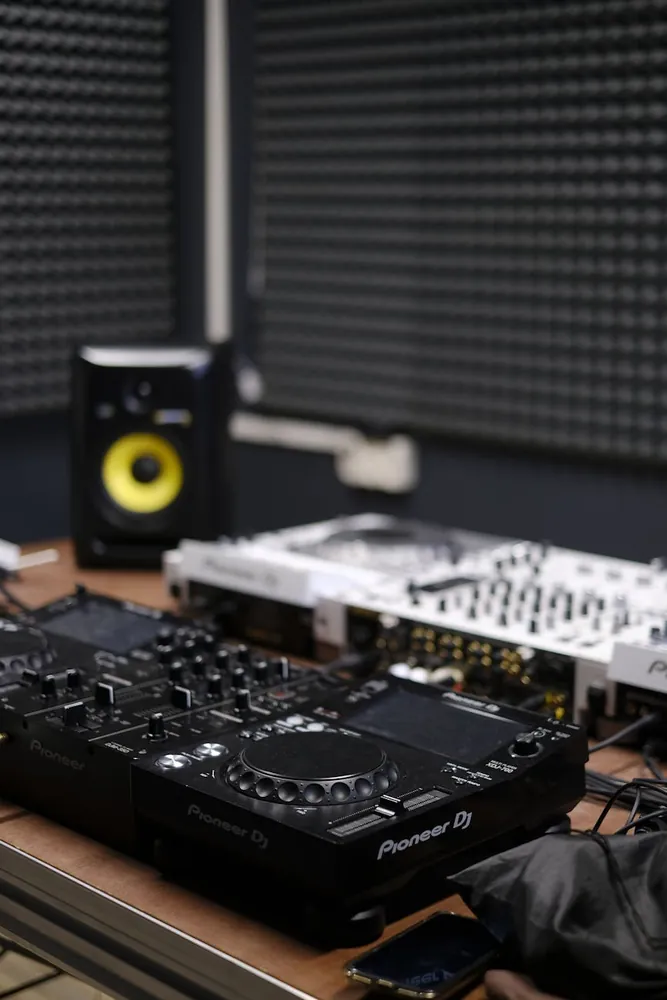
Introduction to Building a Home Studio on a Budget
Creating a music studio at home doesn't have to break the bank. With the right strategy, you can assemble a functional setup even with limited resources. This guide will walk you through essential equipment, room acoustics considerations, and other tips to make the most out of your budget.
Essential Equipment for a Budget Studio
When starting, focus on acquiring the essential gear that forms the backbone of any recording studio. Here are the must-haves:
1. Computer
Your computer is the hub of your music production activities. If you're on a tight budget, consider using a laptop or desktop you already own, provided it meets the basic requirements for running a digital audio workstation (DAW). Ensure it has sufficient RAM (8GB as a minimum) and storage space.
2. Digital Audio Workstation (DAW)
A DAW is crucial for recording, editing, and producing music. Free options like GarageBand (for Mac users) or Tracktion T7 (available for all platforms) are great starting points. As you become more serious about production, you might consider affordable paid options like Reaper, which offers a generous trial period and low-cost licensing.
3. Audio Interface
An audio interface connects your instruments and microphones to your computer. For beginners, the Focusrite Scarlett Solo or Behringer UMC22 are both excellent choices, providing quality sound at an affordable price.
4. Microphones
You don't need an expensive microphone to start recording. The Shure SM57 is versatile and rugged, suitable for both vocals and instruments. Alternatively, the Audio-Technica AT2020 offers solid performance for home recording.
5. Headphones and Monitors
A good pair of headphones is crucial for monitoring your mixes. The Sony MDR-7506 offers excellent value for its clarity and comfort. For monitors, look at options like the Pioneer DJ DM-40, which are compact and budget-friendly.
Room Acoustics on a Budget
The room where you record and mix your music significantly affects sound quality. Here are some affordable ways to improve your studio acoustics:
1. Choose the Right Room
Selecting the right space is essential. A rectangular room with fewer windows is typically easier to work with than a square one due to better sound dispersion.
2. DIY Acoustic Treatment
- Foam Panels: Use affordable foam panels to treat reflections on walls.
- Bass Traps: These can be built using rock wool or rigid fiberglass placed in corners.
- Curtains and Carpets: Thick curtains or carpets can help dampen sound.
3. Speaker Placement
Correct speaker placement can minimize acoustic issues. Position your monitors so they form an equilateral triangle with your head, keeping them at ear level for optimal sound delivery.
Maximizing Your Limited Resources
The key to success is making the most of what you have while gradually upgrading your studio setup:
1. Start Simple and Upgrade Gradually
Don't rush to buy everything at once. Start with the essentials and upgrade components as needed and as budget allows. This approach prevents overwhelming debt and ensures each purchase adds real value.
2. Use Free Plugins and Software
There's a wealth of free plugins available that provide professional-level effects without cost. Some popular choices include TDR Nova (a dynamic EQ) and TAL Reverb-4.
3. Learn Online
Leverage free online resources to enhance your skills. Platforms like YouTube, forums, and blogs offer tutorials and insights into music production techniques that can boost your proficiency without any expense.
The Importance of Workflow Efficiency
An efficient workflow saves time and enhances creativity:
1. Template Creation
Create templates in your DAW for different types of projects (e.g., podcast, band recording) to streamline setup time.
2. Routine Organization
- Cable Management: Keep cables organized with ties and labels for quick setups.
- Storage Solutions: Use shelves or drawers to store equipment neatly, preventing clutter from hindering productivity.
Conclusion: Crafting Your Creative Space
A well-planned budget studio empowers you to produce quality music without substantial financial outlay. By prioritizing essential equipment, optimizing acoustics, leveraging free resources, and enhancing workflow efficiency, you'll create an inspiring environment to foster your musical creativity.