
Exploring the Innovative Use of Sampling by Modern Hip-Hop Artists
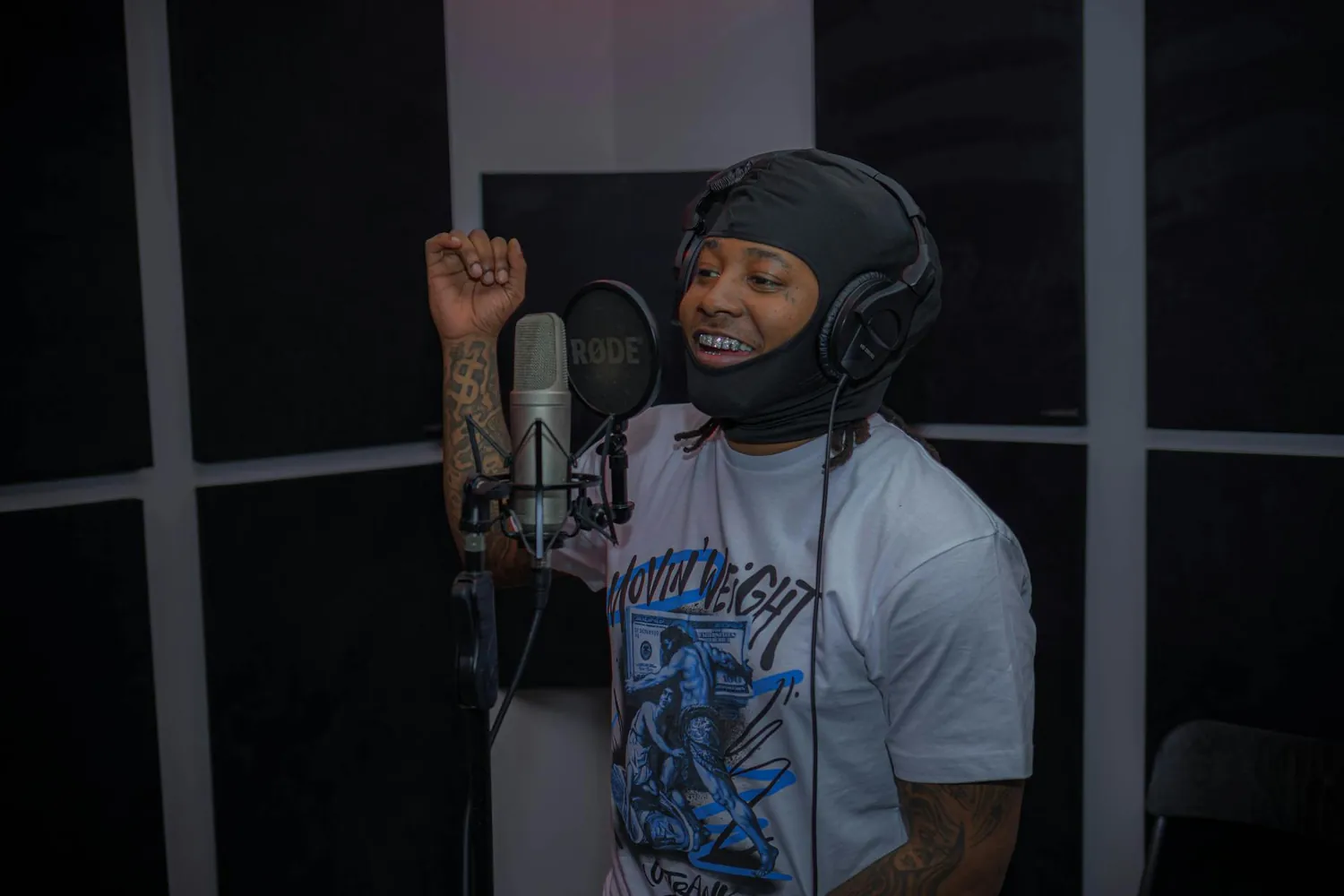
The Art and Science of Sampling in Hip-Hop
Sampling has long been at the heart of hip-hop, a genre rooted in creativity and innovation. By recontextualizing pieces of existing music, producers craft entirely new sonic landscapes. The process not only honors past influences but also pushes the boundaries of what music can become. As technology advances, so too does the art of sampling, leading to some truly groundbreaking results.
In this article, we'll delve into how modern producers like Kanye West and J Dilla have revolutionized sampling techniques, creating complex and evocative soundscapes that challenge listeners' expectations.
The Evolution of Sampling Techniques
In the early days of hip-hop, sampling was a rudimentary process involving tape loops and basic samplers. Pioneers like Grandmaster Flash and DJ Kool Herc would manually loop sections of songs during live performances, laying the foundation for sampling as an art form.
As technology advanced with the introduction of devices like the Akai MPC series and sophisticated DAWs (Digital Audio Workstations), producers gained access to powerful tools that could manipulate sound in increasingly complex ways. These technological innovations allowed artists to expand their creative horizons significantly.
Kanye West: Reimagining Old Sounds
Kanye West is known for his eclectic approach to production, drawing from a vast array of genres and styles. His use of sampling is both meticulous and visionary, transforming familiar tunes into fresh compositions.
One of Kanye's signature techniques is chipmunk soul, where he speeds up vocal samples to create a higher pitch and tempo. This can be heard in tracks like "Through the Wire," where he samples Chaka Khan's "Through the Fire." By pitching her vocals upwards, Kanye creates a sense of urgency and emotion that complements his autobiographical lyrics.
Another standout example is "Stronger," where he samples Daft Punk's "Harder, Better, Faster, Stronger." Here, Kanye layers the sample with live instrumentation and electronic elements to build an anthemic soundscape that feels both futuristic and nostalgic.
J Dilla: The Master of Subtlety
J Dilla's influence on hip-hop production is profound. Known for his intricate drum patterns and soulful samples, Dilla had an unparalleled ability to weave disparate elements into cohesive tracks.
In "Donuts," an album composed almost entirely on his hospital bed, Dilla utilizes short snippets from an extensive range of sources—everything from jazz to rock—and crafts them into a seamless listening experience. His work on "Two Can Win" involves sampling The Sylvers' "Only One Can Win," extracting brief musical phrases and looping them to create a mesmerizing beat.
Dilla's technique often involved quantizing his drums off-beat, resulting in a laid-back groove that became his hallmark. This method creates a human feel that's less mechanical and more organic.
Technology's Role in Modern Sampling
The evolution of music technology has opened up new possibilities for producers. With access to software like Ableton Live, FL Studio, and Logic Pro X, artists can experiment with more intricate sampling techniques.
- Chopping: This involves slicing samples into smaller parts and rearranging them to create new patterns. It's a technique popularized by artists like Madlib and can be heard extensively in "Madvillainy."
- Time Stretching: Used to alter the tempo or pitch without affecting the other. This allows producers to mold samples to fit their desired bpm (beats per minute) and key signature.
- Layering: Producers overlay multiple samples to enrich the texture of a track. This adds depth and complexity, as seen in tracks by Flying Lotus, who often layers jazz samples over electronic beats.
The Ethics and Legalities of Sampling
While sampling is a powerful creative tool, it also raises questions about ownership and intellectual property. Securing the rights to use a sample can be a costly and time-consuming process. This has led some producers to seek alternatives like royalty-free sample packs or creating original sounds inspired by their favorite artists.
A notable case study is the dispute between Robin Thicke's "Blurred Lines" and Marvin Gaye's estate, illustrating how blurred lines can become problematic when it comes to inspiration versus imitation.
Practical Tips for Aspiring Producers
If you're looking to incorporate sampling into your music production, here are some practical tips:
- Explore Diverse Genres: Don't limit yourself to one type of music. Broaden your palette by exploring different genres. Sometimes the most unexpected combinations yield the best results.
- Learn Your Equipment: Whether you prefer hardware samplers or software plugins, understanding your tools inside out will allow you to push their limits creatively.
- Create Your Sample Library: Develop a personal collection of sounds and snippets you love. Over time, you'll build a resource that reflects your unique taste.
- Experiment Freely: Don't be afraid to make mistakes or break conventional rules. Some of the greatest tracks in hip-hop came from moments of experimentation.
The Future of Sampling in Hip-Hop
The future of sampling in hip-hop is bright, with endless potential for innovation. As new technologies continue to emerge—such as AI-driven music tools—producers will find novel ways to manipulate sound.
Artists like Kaytranada and TNGHT are already exploring these frontiers by blending traditional sampling methods with cutting-edge digital techniques, crafting tracks that feel both timeless and forward-thinking.
Ultimately, sampling remains a testament to hip-hop's spirit of innovation—a reflection of its past and a bridge to its future.