
Digital Versus Analog: Evaluating Workflow Efficiency in Music Creation
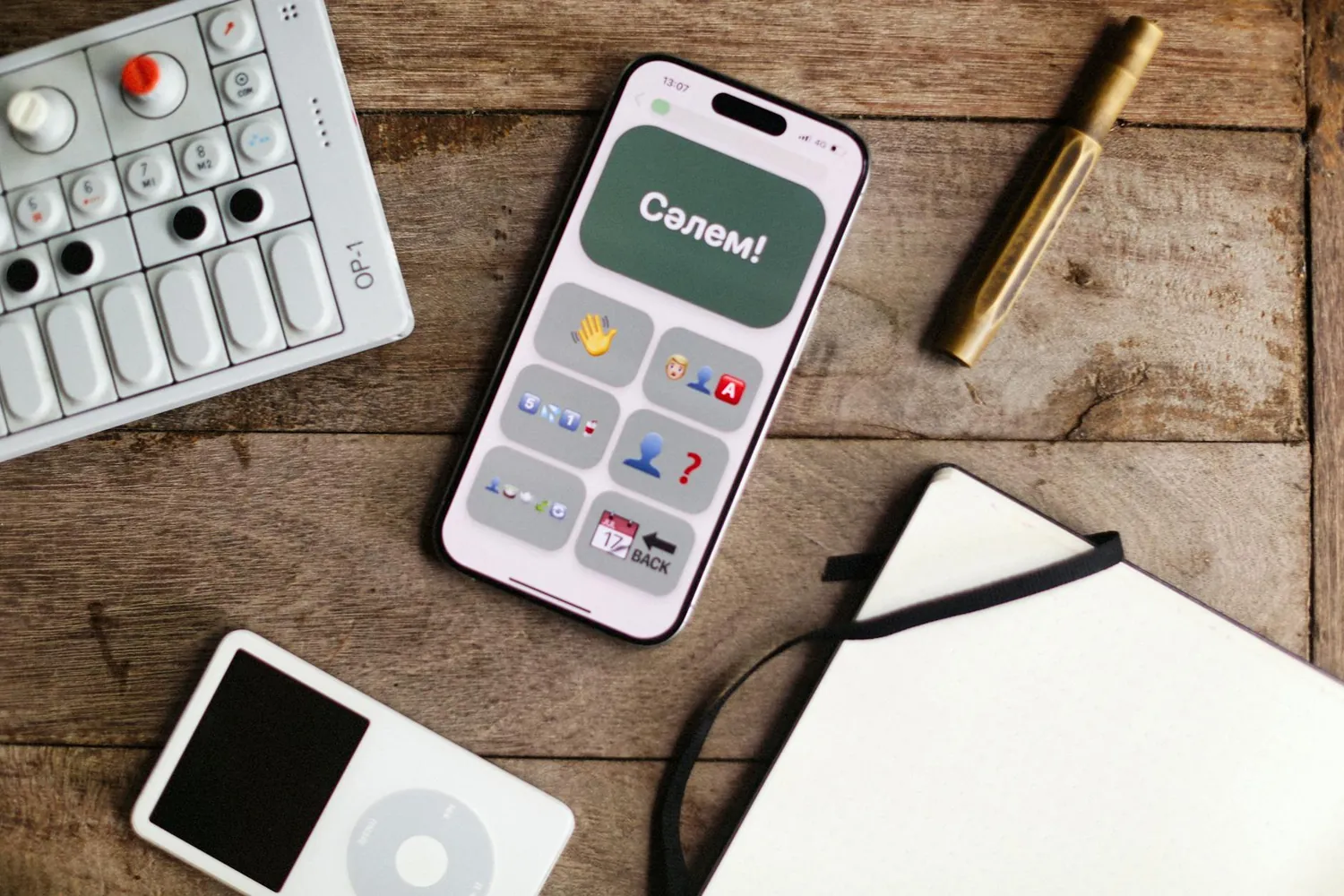
The Everlasting Debate: Digital vs. Analog
The debate between digital and analog music production has been ongoing for decades, with each approach offering distinct advantages and disadvantages. As technology advances, the lines between these methods are increasingly blurred, yet fundamental differences persist. In this article, we will explore how these two paradigms influence workflow efficiency, sound quality, and creative potential in music production.
Sound Quality: The Heart of Music Production
Warmth and Depth of Analog
Analog recordings have long been celebrated for their warm and rich sound quality. This is largely due to the natural harmonic distortion that occurs in analog equipment, such as tape machines and tube compressors. This subtle coloration is often described as 'warmth' and can be particularly appealing in genres like jazz or rock where a vintage feel is desired.
For example, recording a guitar solo on a reel-to-reel tape can add a sense of depth and fullness that is hard to replicate digitally. However, achieving this requires maintaining analog gear, which can be costly and time-consuming.
Precision and Clarity of Digital
Digital production offers unparalleled precision. With a high sample rate and bit depth, digital audio can capture and reproduce audio with crystal clarity. This is advantageous in genres such as electronic music where intricate details and perfect synchronization are crucial.
Consider the workflow in digital mixing environments like Ableton Live or Pro Tools, where precise edits can be made at a microscopic level without degrading the audio quality. While some argue that digital lacks the 'soul' of analog, others appreciate its reliability and lack of noise.
Workflow Flexibility: A Key Consideration
Analog Workflow: Hands-On Creativity
Working with analog gear often involves a more tactile and hands-on approach. Adjusting the settings on an analog synthesizer or moving the faders on an analog mixing board can feel more intuitive than clicking a mouse. This hands-on experience can foster a unique creative flow that is often cited by producers as inspirational.
- Example: Using a classic Roland Juno-60 synthesizer to create lush pad sounds allows for real-time modulation and patch creation.
- Drawback: Physical space and setup time required for analog equipment can limit flexibility, particularly in small studios.
Digital Workflow: Speed and Convenience
Digital production shines in terms of speed and convenience. With everything 'in-the-box', producers can easily recall sessions, apply unlimited undo actions, and use virtual instruments without worrying about patch cables or physical setup changes.
DAWs like FL Studio offer powerful automation tools that enable producers to experiment with complex arrangements effortlessly. This flexibility can significantly streamline the creative process, allowing more time to focus on composition rather than technical setup.
Creativity Unleashed: Breaking Boundaries
Analog's Unique Character
Analog systems often require commitment to certain decisions during the recording process, which can sometimes lead to serendipitous moments. For instance, the limitations of an analog multi-track recorder might compel producers to creatively layer sounds in innovative ways.
This constraint-based creativity can lead to unexpected artistic breakthroughs, pushing musicians to explore new sounds they might not have considered in a limitless digital environment.
Digital’s Infinite Palette
With digital production, the sky is the limit. Producers have access to countless plugins and effects that can emulate vintage gear or push into entirely new sonic territories. The availability of vast sound libraries also means producers can experiment with global influences seamlessly.
- Example: Utilizing synthesis plugins like Serum or Massive X allows for creating complex soundscapes previously unimaginable in an analog-only setup.
- Trade-off: The abundance of choices can sometimes lead to 'option paralysis', hindering decision-making.
Limitations to Consider
The Cost Factor
One significant drawback of analog systems is cost. High-quality analog gear is expensive, and maintaining it requires additional investment in servicing and repairs. Conversely, digital setups generally offer more budget-friendly options without compromising too much on quality.
The Learning Curve
Both systems come with learning curves but differ fundamentally. Digital environments may require learning software operations, while analog requires understanding hardware intricacies. Each approach demands dedicated time to master but offers unique rewards once proficiency is achieved.
Conclusion: Finding Your Balance
The choice between digital and analog comes down to personal preference, project requirements, and budgetary constraints. Many modern producers find success by integrating both technologies—using analog gear to record raw tracks before refining them within a digital workspace.
This hybrid approach maximizes the benefits of both worlds, combining the warmth of analog sound with the precision and flexibility of digital production. As you develop your music production style, consider experimenting with both methods to discover what works best for your artistic vision.