
Building Creativity in Music with a Modular Production System
Breaking Down Complexity: The Modular Approach
In the realm of music production, creativity often thrives when complexity is managed effectively. A modular production system offers a strategic way to divide large, daunting projects into smaller, manageable sections, enabling producers to focus on individual components without feeling overwhelmed. This method not only streamlines the workflow but also enhances creativity by allowing producers to experiment within isolated sections.
The Essence of Modularity in Music Production
Modular systems are not new; they borrow from methodologies used in other fields like software development and manufacturing. In music production, this involves creating a framework where each element of a track—melody, harmony, rhythm, and texture—can be developed and refined independently before being integrated into the final composition.
Imagine treating each element as a building block or a module. By focusing on one module at a time, you can pour your creative energy into perfecting that piece before moving on to the next. This reduces the cognitive load and allows you to innovate without being bogged down by the complexity of the entire piece.
Steps to Implement a Modular Production System
Transitioning to a modular system involves several practical steps. Here’s how you can start:
- Identify Modules: Begin by identifying the key components of your project. These could include drum patterns, bass lines, chord progressions, lead melodies, effects, and transitions. Each of these will serve as an independent module.
- Set Objectives for Each Module: Define what you want to achieve with each module. For example, your drum pattern might aim to create energy, while your chord progression might seek to convey emotion.
- Isolate and Create: Work on each module separately. Use different sessions or project files for each module if necessary. This separation helps maintain focus and prevents distraction from other elements.
- Integrate Gradually: Once satisfied with individual modules, begin integrating them one by one into your main project. Assess how they work together and make adjustments as needed.
- Iterate and Experiment: Use the modular approach to experiment with variations of each module. Try different drum fills, melodic variations, or harmonic changes to see what best serves your overall vision.
Example Workflow: Creating an Electronic Track
Let’s walk through an example of using a modular approach to create an electronic music track:
Step 1: Building the Rhythm Section
Create a dedicated session for your drum and percussion elements. Focus solely on crafting dynamic rhythms that match the desired energy level of your track. Experiment with different kick and snare patterns and use layering techniques to add depth.
Step 2: Developing Bass Lines
In another session, work on developing bass lines that complement your rhythm section. Consider how the bass interacts with the kick drum to provide a solid foundation for your track. Try out different synth patches or bass guitar riffs until you find the perfect groove.
Step 3: Crafting Melodies and Harmonies
Create melodic elements in a separate environment. Use MIDI controllers or synth plugins to experiment with different melodies and chord progressions. This is a chance to explore various scales and harmonics without the influence of other track elements.
Step 4: Integrating Effects and Textures
Add sound effects and textural elements as another module. These could include ambient sounds, risers, or white noise sweeps that enhance transitions between sections.
Step 5: Assembling the Track
Begin integrating each module into a master project file. Pay attention to how each element interacts and adjust levels and EQ settings accordingly. This stage is crucial for achieving balance and coherence across the track.
Tools to Facilitate Modular Production
Several tools can aid in adopting a modular system:
- Digital Audio Workstations (DAWs): DAWs like Ableton Live, FL Studio, and Logic Pro X offer versatile environments where you can easily manage multiple sessions or projects simultaneously.
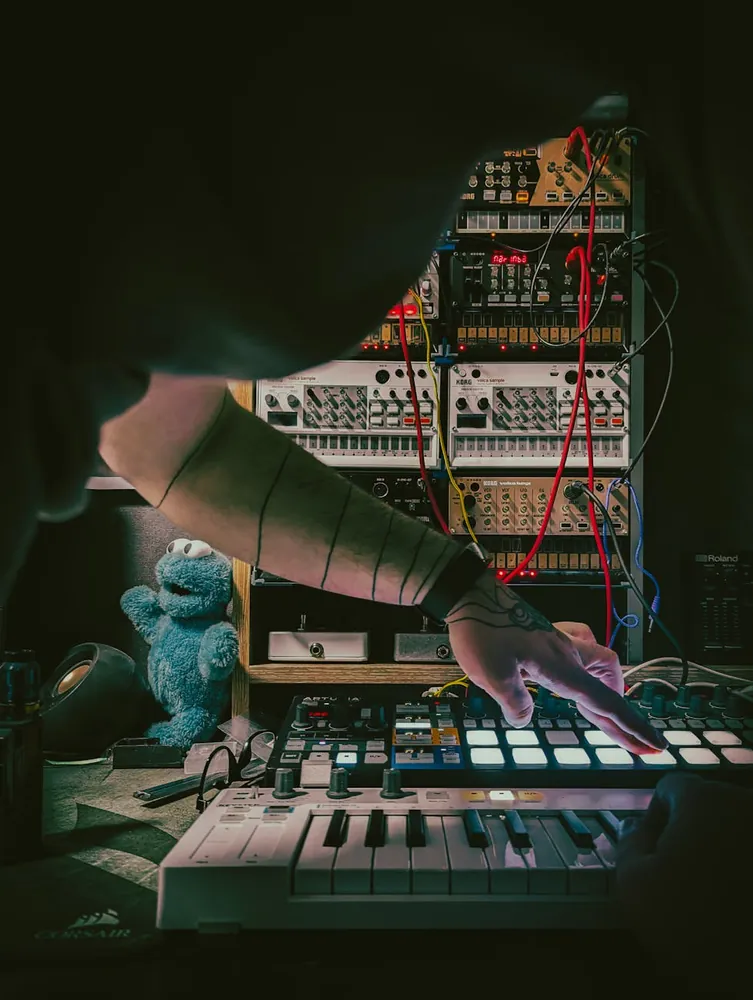
- Modular Synths: Hardware or software modular synthesizers encourage thinking in terms of individual components that can be patched together, directly mirroring the modular production approach.
- Project Management Software: Tools like Trello or Notion can help organize modules as tasks, providing a visual roadmap of your production process.
Benefits of Modular Production
The modular approach offers numerous benefits beyond just workflow management:
- Enhanced Creativity: By isolating modules, producers can delve deeply into experimentation within specific areas, fostering innovative ideas that might not emerge under traditional methods.
- Improved Efficiency: Breaking down projects allows for focused sessions that maximize productivity and minimize burnout.
- Easier Collaboration: When collaborating with others, modules can be shared individually, allowing contributors to focus on specific aspects without needing access to the entire project.
A Framework for Modularity in Music Production
Here is a simple framework you can adopt:
- Define Your Modules: Determine the basic components of your track that require distinct attention.
- Create Separate Workspaces: Use separate DAW sessions for each module.
- Set Specific Goals: Establish clear objectives for each module's session.
- Iterate Independently: Make iterative changes within each module without affecting others.
- Integrate Thoughtfully: Assemble your modules into a cohesive whole, making necessary tweaks along the way.
The Path Forward
The journey towards a modular production system is one of discovery and adaptation. As you become more comfortable with this approach, you will likely find new ways to customize it further to suit your personal workflow and creative style. Remember, modularity isn’t about rigid separation but rather about giving yourself space to innovate in manageable chunks. In doing so, you'll unlock new dimensions of creativity within your music production process.