
The Role of Indie Folk Festivals in Promoting New Musicians
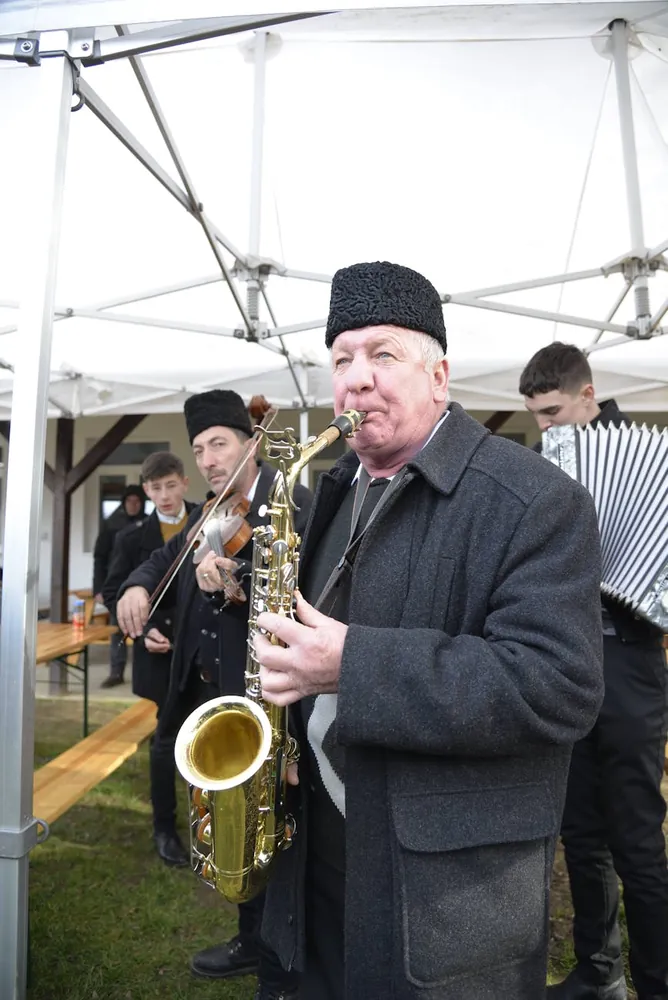
Indie Folk Festivals: A Breeding Ground for New Talent
In recent years, indie folk festivals have emerged as essential platforms for promoting new musicians. These events provide an intimate setting where audiences can connect with artists who often remain underrepresented in mainstream music channels. Unlike massive commercial festivals that prioritize established acts, indie folk festivals are dedicated to spotlighting emerging talent and fostering a sense of community.
For budding musicians, performing at an indie folk festival can be a pivotal step in gaining recognition and building a fan base. The festivals offer a unique atmosphere that prioritizes authenticity, creativity, and personal connection, which are key values for artists trying to establish their musical identity.
The Rise of Indie Folk Festivals
The growing popularity of indie folk festivals can be attributed to their inclusive nature and focus on diversity. Festivals like Newport Folk Festival, Pickathon, and End of the Road in the UK have gained traction by offering stages to lesser-known artists alongside bigger names. This blend creates a vibrant tapestry of sounds and experiences that appeal to a wide range of music lovers.
The increasing demand for authentic music experiences has seen more niche festivals popping up, each with its unique flavor and emphasis. From small local gatherings to larger regional events, these festivals contribute significantly to the cultural landscape, offering spaces where new artists can shine.
Strategies for Artists to Maximize Visibility
For new musicians looking to make the most out of their festival appearances, several strategies can enhance visibility and impact:
- Engage with the Audience: An intimate performance can leave a lasting impression. Engaging directly with the audience, sharing stories behind songs, or inviting crowd participation can forge a strong connection.
- Network with Fellow Artists: Indie folk festivals are not just about performance; they're also networking opportunities. Collaborations and interactions with other artists can lead to valuable partnerships and exposure to new audiences.
- Utilize Social Media: Real-time updates and behind-the-scenes content shared on social media can enhance engagement. Use platforms like Instagram and TikTok to create buzz before, during, and after performances.
- Merchandise and Memorabilia: Unique, event-specific merchandise can serve as both a revenue stream and promotional tool. Consider limited-edition items that reflect your brand's aesthetics.
Case Study: Success Stories from Indie Folk Festivals
Many successful musicians trace their origins back to indie folk festivals. For instance, Mumford & Sons gained significant attention following their performance at the Bonnaroo Music Festival, which helped catapult them into the mainstream spotlight. Similarly, Brandi Carlile's repeated appearances at Newport Folk Festival have reinforced her connection with fans and expanded her reach beyond her initial audience.
Comparing Approaches: Traditional vs. Indie Festivals
When it comes to festival performances, emerging artists often find themselves weighing the benefits of traditional large-scale festivals against those of indie folk festivals. Here is a breakdown of what each offers:
Traditional Large-Scale Festivals
These events typically boast larger audiences and media coverage, which can be advantageous for visibility. However, they tend to favor established acts due to financial and logistical constraints. New artists may find themselves overshadowed unless they are part of a notable lineup or generate viral buzz.
- Pros: High attendance, extensive media coverage, potential for viral exposure.
- Cons: Competitive lineup, high costs, less personalized interaction with the audience.
Indie Folk Festivals
In contrast, indie folk festivals offer a more nurturing environment focused on artistry rather than commercial success. These festivals prioritize personal connection and artistic expression, making them ideal for musicians looking to cultivate a dedicated fan base.
- Pros: Intimate settings, stronger artist-audience connections, greater opportunities for networking.
- Cons: Smaller audiences, potentially limited media coverage compared to mainstream festivals.
Navigating the Challenges of Indie Folk Festivals
While indie folk festivals offer numerous advantages, they also present certain challenges that artists must navigate effectively:
- Logistics and Costs: Without the large budgets associated with big-name acts, indie artists often need to manage travel and accommodation costs judiciously. Sponsorships or crowdfunding can alleviate financial burdens.
- Competition for Slots: Given the limited number of performance slots, competition is fierce. Artists should be proactive in their applications, highlighting unique aspects of their music and prior achievements.
The Future of Indie Folk Festivals
The continued evolution of indie folk festivals will likely see further diversification as they adapt to changing musical landscapes and audience preferences. As sustainability becomes an increasing concern, many festivals are adopting eco-friendly practices that resonate with both artists and fans who prioritize environmental consciousness.
The rise of virtual components is another trend that could expand access and visibility for artists without geographic limitations. Hybrid models may become more prevalent, providing opportunities for global audiences to experience performances remotely.
Conclusion: Embracing the Indie Spirit
Indie folk festivals are indispensable in supporting new musicians by offering them platforms that emphasize creativity over commerce. For aspiring artists seeking to build their careers on authenticity and genuine connections with listeners, these festivals are invaluable stepping stones.
By adopting strategic approaches and leveraging the unique opportunities presented by these events, musicians can maximize their impact and propel their careers forward in meaningful ways. In doing so, they contribute to the rich tapestry of indie music culture that continues to captivate and inspire diverse audiences worldwide.