
Real-World Applications of AI in Contemporary Music Production Workflows
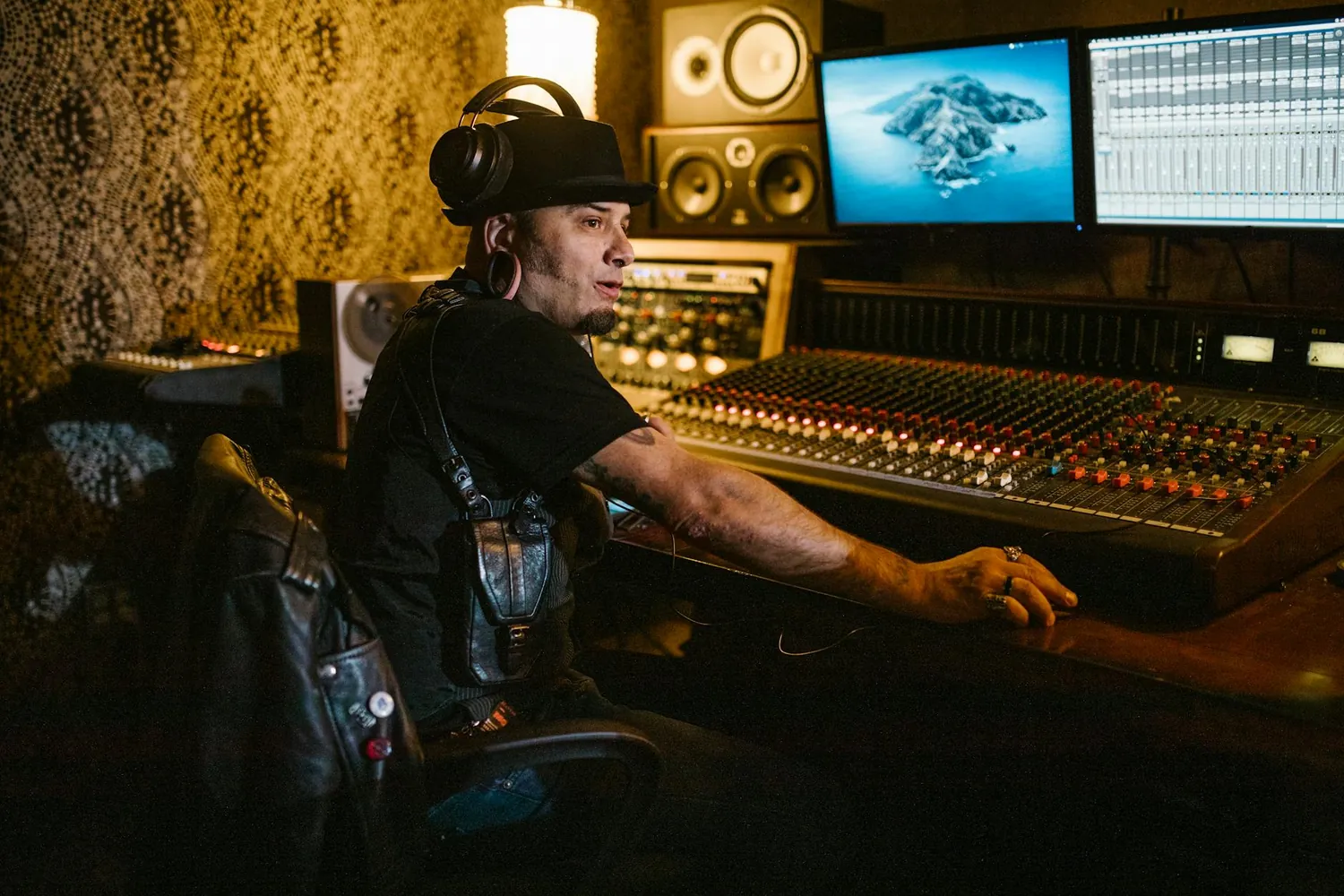
The Role of AI in Modern Music Production
Artificial Intelligence (AI) has dramatically reshaped various industries, and music production is no exception. In a field traditionally reliant on human creativity and intuition, AI introduces new possibilities for innovation and efficiency. By analyzing patterns and learning from vast datasets, AI tools have become invaluable to composers, producers, and engineers aiming to enhance their creative processes.
AI in Composition: Creating New Melodies
One of the most exciting applications of AI in music production is composition. Tools like AIVA (Artificial Intelligence Virtual Artist) and Amper Music are at the forefront, allowing musicians to generate new melodies and harmonies effortlessly. AIVA, for instance, uses deep learning algorithms to compose music that can range from classical symphonies to modern pop tracks.
Composers can leverage these tools by setting parameters such as mood, tempo, and instrumentation to create pieces tailored to their specific needs. This not only accelerates the ideation phase but also inspires new creative directions that might not have been considered otherwise.
Enhancing Mixing with Intelligent Algorithms
In mixing, AI tools help streamline processes that once required meticulous manual adjustments. iZotope's Neutron is an example of a software suite employing AI-driven features like Mix Assistant. This tool analyzes audio tracks to suggest levels, panning, and frequency adjustments that help create a balanced mix faster than ever before.
Producers can use Neutron by inserting it on each track and allowing the Mix Assistant to listen to the entire session. The suggestions provided offer a solid starting point, saving time and freeing the engineer to focus on more creative elements of the mix.
Mastering with Precision: AI's Role in Finalizing Tracks
Mastering is often described as a 'dark art' due to its complexity. AI simplifies this through applications like LANDR, which automates the mastering process. By analyzing millions of mastered tracks, LANDR applies learned techniques to new uploads, adjusting dynamics and tonal balance with precision.
Artists can utilize LANDR by simply uploading their mix and selecting a desired intensity level for mastering. This approach offers an affordable alternative to traditional mastering services, particularly for independent musicians looking to release high-quality tracks without extensive resources.
Integrating AI into Your Workflow
To effectively integrate AI into your music production workflow, it's essential to adopt a strategic approach. Here's a mini-framework that can guide your integration:
- Evaluate Needs: Identify areas where AI could streamline your workflow, such as composition, mixing, or mastering.
- Select Appropriate Tools: Choose AI tools that align with your creative goals and technical proficiency.
- Experiment and Iterate: Use AI as an assistant rather than a replacement. Experiment with its suggestions and iterate to refine your sound.
Case Study: An Indie Producer's Journey with AI
Consider the case of Alex Thompson, an indie producer who initially struggled with balancing the technical demands of production with his creative vision. By integrating AI tools like iZotope's Neutron and LANDR into his workflow, Alex significantly reduced his workload on technical tasks.
For his latest album, Alex used Amper Music to generate ideas for ambient interludes between songs. After receiving AI-generated compositions, he tailored them by adding live instruments and unique sound design elements. The result was a cohesive album that retained his artistic integrity while benefiting from the efficiencies introduced by AI.
Potential Pitfalls and Considerations
While AI offers numerous benefits, there are potential pitfalls to be aware of. One major concern is over-reliance on technology, which can lead to homogenization in sound and creative output. It's crucial for artists to maintain their unique voice and use AI as a tool rather than a crutch.
An important consideration is the ethical implications of using AI-generated content. Musicians should be transparent about AI's role in their productions and ensure they respect copyright laws when using datasets trained on existing music.
The Future of AI in Music Production
The future of music production will likely see even greater integration of AI technologies. As algorithms become more sophisticated, we can expect more intuitive interfaces that blend seamlessly into traditional DAWs (Digital Audio Workstations), offering real-time assistance without interrupting creative flow.
Additionally, collaborative platforms powered by AI may emerge, allowing artists from different parts of the world to co-create music in innovative ways. These advancements promise not only efficiency but also expanded creative horizons for artists willing to embrace technology.
Conclusion
AI is undeniably transforming the landscape of music production. From composition to mastering, intelligent tools are helping artists realize their visions faster and more efficiently than ever before. However, successful integration requires a balanced approach, combining human creativity with machine precision. As you explore these technologies, remember to use them as enablers of your unique artistic expression.