
The Growing Popularity of Kalimba Among Contemporary Artists
The Resurgence of the Kalimba
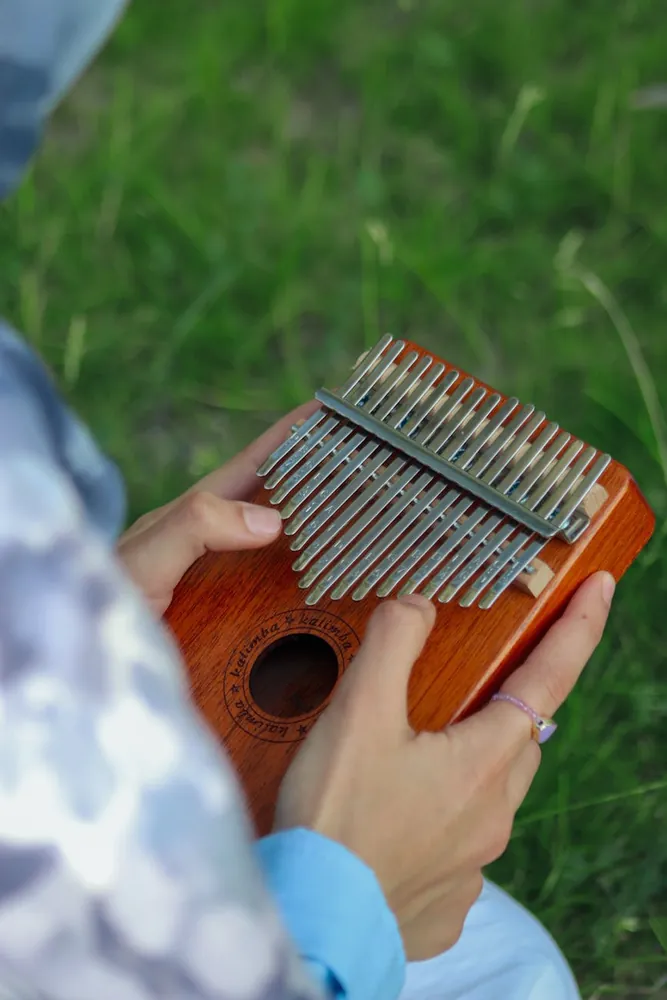
In recent years, a seemingly humble instrument has captured the imagination of contemporary musicians: the kalimba. This thumb piano, with its distinctive metallic timbre, has become a favorite among artists seeking to infuse their music with new textures. Originally hailing from Africa, where it goes by various names such as mbira or likembe, the kalimba is being reimagined and embraced in modern music genres ranging from indie folk to electronic music.
Understanding the Kalimba’s Appeal
The kalimba's rise in popularity can be attributed to several factors:
- Simplicity and Accessibility: Unlike many traditional instruments that require extensive training, the kalimba is easy to pick up, making it accessible to beginners and seasoned musicians alike.
- Unique Sound: Its ethereal tones and resonant harmonics create an aural experience that stands out against the backdrop of conventional Western instruments.
- Portability: The compact size allows artists to carry it easily during tours or recording sessions.
These features make the kalimba an attractive choice for those looking to add a unique dimension to their music without a steep learning curve.
Integrating Kalimba into Different Genres
The kalimba's versatility is one of its biggest assets. Here’s how artists are integrating it into various musical genres:
Indie and Folk Music
Indie artists have found the kalimba's sound to complement acoustic guitars and vocal harmonies beautifully. It adds a light, mystical layer that enriches storytelling. For instance, artists like Sufjan Stevens have used the kalimba to craft introspective and textured soundscapes in their compositions.
Workflow Tip: Start by recording simple kalimba melodies and layering them with acoustic guitar or piano tracks. Experiment with reverb and delay effects to enhance its dreamy quality.
Electronic and Ambient Music
In electronic music, producers leverage the kalimba's tonal purity to create ambient atmospheres. Its natural resonance works well with synthesized sounds, providing a human touch to electronic compositions.
Practical Tip: Use a MIDI kalimba or sample library to easily integrate the instrument into your digital audio workstation (DAW). This allows for precise control over pitch and timing, making it easier to blend with electronic beats.
World and Fusion Music
The kalimba fits seamlessly into world music genres, particularly those that emphasize rhythm and melody. Its inclusion in fusion projects showcases its ability to bridge cultural musical elements, offering fresh perspectives on traditional compositions.
Example: Collaborations between African musicians and Western artists often highlight the kalimba as a central element, drawing connections between disparate musical traditions.
Comparing Approaches: Acoustic vs. Digital Kalimba
The choice between acoustic and digital versions of the kalimba can significantly influence the outcome of your music. Let's explore these two approaches:
Acoustic Kalimba
- Pros: Offers an organic sound that captures subtle nuances and overtones. The tactile interaction enhances live performances.
- Cons: Limited by physical tuning and requires careful mic placement for optimal recording quality.
The acoustic version is ideal for live settings and recordings where authenticity and warmth are paramount. Capture its sound using high-quality microphones placed strategically to avoid unwanted noise.
Digital/MIDI Kalimba
- Pros: Provides flexibility in tuning and integration with digital music production setups. Easier to edit and manipulate in post-production.
- Cons: May lack some of the warmth and nuance of a physical instrument.
MIDI kalimbas are suited for studio environments where precision and versatility take precedence over traditional sound qualities. They enable experimentation with effects and synth layers that are challenging with acoustic versions.
Practical Tips for Incorporating Kalimba
- Tuning Flexibility: Experiment with alternative tunings to discover unique scales that fit your musical context. The chromatic kalimbas offer greater versatility compared to traditional diatonic ones.
- Recording Techniques: Use a stereo mic setup to capture the full depth of the kalimba's sound. Employ pop filters if necessary to minimize extraneous noise.
- Effects Processing: Reverb and echo can enhance the kalimba’s natural ambiance. Delay effects can be synchronized to tempo, adding rhythmic complexity to your compositions.
The Future of Kalimba in Contemporary Music
The kalimba's growing presence in contemporary music underscores a broader trend towards exploring global sounds and unconventional instruments. As more artists continue to seek distinctive sounds that set them apart in a crowded musical landscape, the kalimba offers an enticing option.
Looking ahead, we can expect further innovations as musicians experiment with new playing techniques, electronic processing, and hybrid instruments that push the boundaries of what the kalimba can achieve.