
Guidelines for Selecting Between Wood Flutes and Metal Piccolos for Performances
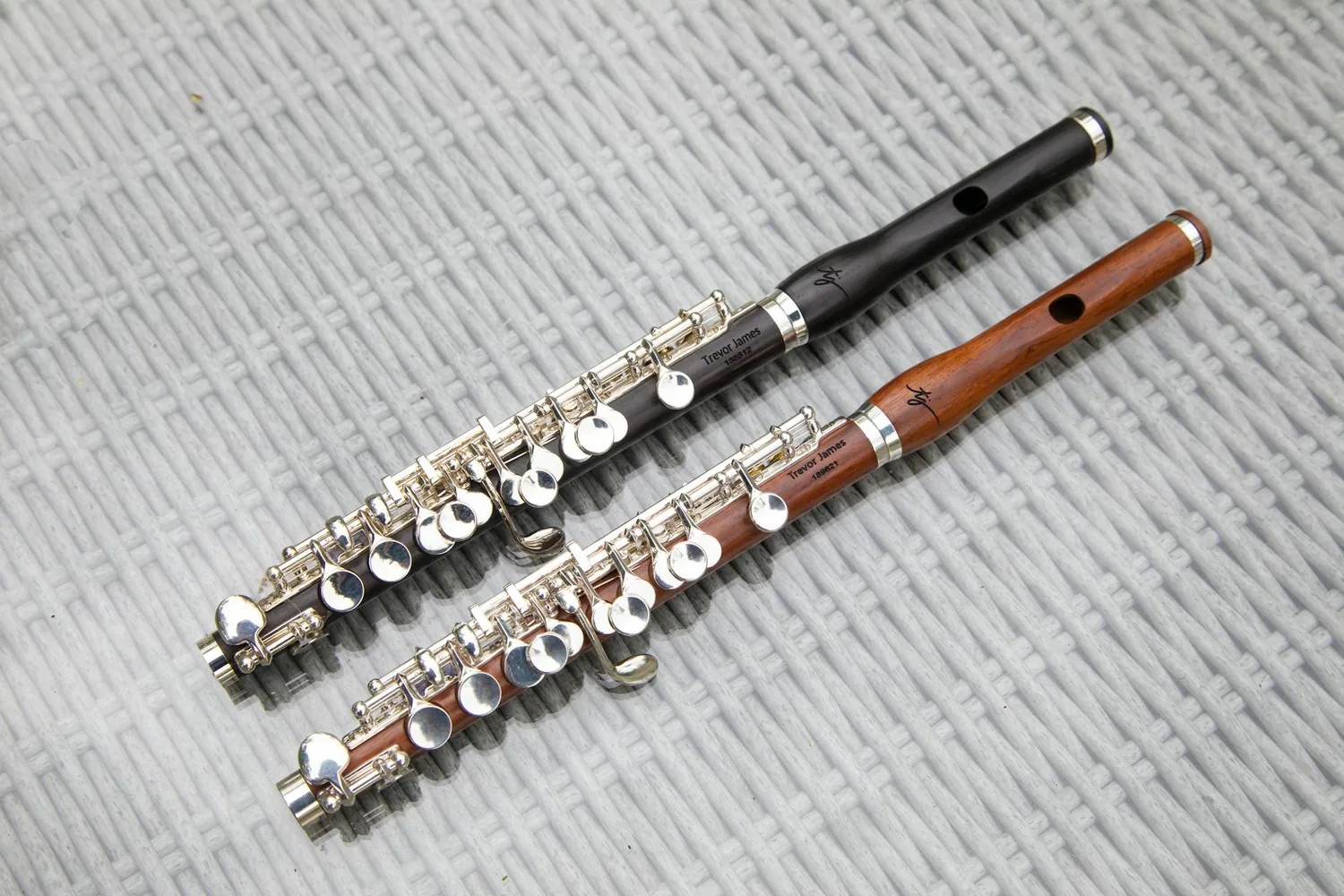
Exploring the Differences: Wood Flutes vs. Metal Piccolos
When deciding between a wooden flute and a metal piccolo for performances, musicians must consider various factors such as tonal quality, playability, and genre compatibility. Each instrument has its unique characteristics that can significantly affect the overall sound and style of a performance. Understanding these differences is crucial for selecting the right instrument to match your musical goals.
Tonal Qualities: A Matter of Sound
The tonal quality of an instrument is one of the most critical aspects that musicians consider when choosing between a wooden flute and a metal piccolo. Wooden flutes are often prized for their warm, rich, and mellow sound. They produce a softer timbre that blends beautifully in orchestral and chamber music settings. For example, a wooden flute's sound can add depth to classical pieces, enhancing the overall warmth of the orchestra.
In contrast, metal piccolos are known for their bright, penetrating sound. They cut through larger ensembles with ease and are often used in marching bands or military ensembles where projection is essential. The metallic construction allows the piccolo to produce higher frequencies, giving it an edge in situations where clarity and volume are needed.
Playability: Ease of Use and Comfort
Playability involves the ease with which a musician can produce sound on the instrument, as well as comfort during long performances. Wooden flutes are typically heavier than metal piccolos, which might be a consideration for younger players or those with smaller hands. However, many musicians appreciate the tactile feel of wood and find it more comfortable for long playing sessions.
Metal piccolos, being lighter, are easier to handle, making them ideal for quick transitions and dynamic performances. They require less breath control due to their size but demand precise finger technique to manage their quicker response time and higher pitch.
Genre Compatibility: Matching Instrument to Music Style
Both wooden flutes and metal piccolos can be used across various genres, but certain styles are better suited to each instrument. Wooden flutes are often favored in classical, jazz, and folk music. Their warm tone complements the nuanced dynamics of these genres. For instance, in a jazz ensemble, a wooden flute can provide smooth transitions between solos and harmonies.
On the other hand, metal piccolos excel in settings that require high energy and visibility, such as pop performances and marching band arrangements. The piccolo's ability to reach higher pitches makes it suitable for modern compositions that explore a wide range of sounds.
Pros and Cons: Making an Informed Choice
- Wood Flutes:
- Pros: Warm tone, suitable for soft genres; Tactile and comfortable; Adds depth to orchestral settings.
- Cons: Heavier than metal piccolos; Less projection in loud environments; Requires more breath control.
- Metal Piccolos:
- Pros: Bright sound with excellent projection; Lightweight and easy to handle; Excels in high-energy performances.
- Cons: Sharper tone may not blend well in all settings; Demands precise finger technique; Higher pitch requires careful tuning.
Case Study: Choosing the Right Instrument for Your Ensemble
Consider the case of the Springfield Youth Orchestra preparing for an upcoming summer concert series. The ensemble's director must choose between adding a wooden flute or a metal piccolo based on their repertoire's demands. After evaluating their selection, including pieces by Mozart and Copland as well as contemporary works by local composers, the director opted for a wooden flute. This choice was made to enhance the orchestra's overall warmth and balance while respecting the classical roots of their primary pieces.
Conversely, if they had planned more modern works or outdoor performances where volume was crucial, a metal piccolo might have been preferable. This real-world scenario underscores the importance of aligning your instrument choice with your performance context.
Practical Tips for Musicians
When choosing between a wooden flute and a metal piccolo, here are some practical tips to consider:
- Assess Your Musical Goals: Consider what genres you will frequently perform and what qualities you value most in sound production.
- Try Before You Buy: Play both instruments extensively if possible. Pay attention to how they feel in your hands and how your sound changes with each.
- Consider Ensemble Needs: Think about how your choice will complement other instruments in your group or band.
- Budget Wisely: Prices can vary greatly based on material and craftsmanship. Set a budget that allows for quality without sacrificing essentials.
Conclusion
Selecting between a wooden flute and a metal piccolo involves careful consideration of several factors, from tonal qualities and playability to genre suitability. Each instrument brings its strengths and challenges, making it vital for musicians to align their choice with their specific musical aspirations and contexts. By understanding these elements deeply, you can ensure that your chosen instrument enhances your performances, delivering both personal satisfaction and audience engagement.