
synthwave's journey: tracing its 1980s beginnings to today
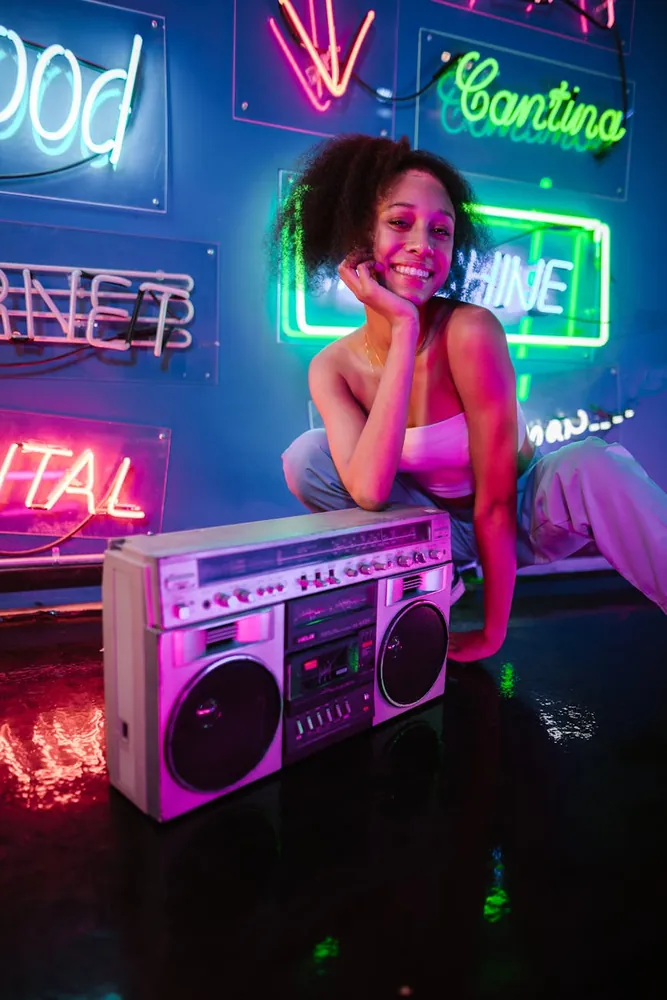
The Dawn of Synthwave: A Nostalgic Rebirth
Synthwave, a genre that draws heavily on the music, aesthetics, and technology of the 1980s, has seen a remarkable resurgence in recent years. This vibrant movement captures the spirit of an era defined by neon lights, early digital technology, and futuristic dreams. But how did this genre emerge, and what continues to fuel its popularity decades later?
Originally, the seeds of synthwave were sown in the fertile soil of 1980s pop culture. Movies like Blade Runner and TV shows such as Miami Vice painted worlds awash with synthesizers and electronic soundscapes. Musicians like Vangelis and Tangerine Dream harnessed these sonic possibilities, laying down a blueprint for future artists. The soundtracks from these films and series didn't just complement the visuals; they created immersive experiences that lingered long after the credits rolled.
Technology as Muse: The Tools Behind the Sound
The technological innovations of the 1980s provided artists with new tools to explore their musical creativity. Synthesizers, drum machines, and early computer software transformed music production. Instruments like the Yamaha DX7 and Roland TR-808 became staples in studios around the world.
For instance, the Yamaha DX7's FM synthesis opened up a new palette of sounds that had not been previously accessible. Its distinctive electric piano sound became iconic in many synth-driven tracks. Similarly, the Roland TR-808 drum machine, initially considered a commercial failure, found its niche in electronic music circles due to its deep, resonant bass drum sound which is still celebrated today.
- Yamaha DX7: Famous for its unique ability to create digital sounds that analog synths couldn't replicate, which made it a revolutionary tool for musicians.
- Roland TR-808: Renowned for its ability to deliver powerful bass and crisp snares, integral to both 80s music and modern genres like hip-hop.
These technological advancements set the stage for a generation of musicians who could experiment beyond traditional instrument limitations.
Synthwave Revival: A Cultural Phenomenon
The resurgence of synthwave is partly due to a cultural fascination with nostalgia. Millennials and Gen Z, who never directly experienced the 1980s, have romanticized this era through rose-tinted glasses—viewing it as a time of artistic freedom and boundary-pushing creativity.
Platforms like Bandcamp and SoundCloud have played crucial roles in democratizing music production and distribution. Artists such as Kavinsky and Perturbator harnessed these platforms to reach audiences eager for something both familiar and fresh. Kavinsky's track "Nightcall," featured in the film Drive, is often credited with reigniting interest in synthwave through its hauntingly nostalgic vibe.
The Role of Online Communities
Online communities have been instrumental in nurturing the synthwave scene. Reddit forums dedicated to retro-futuristic aesthetics allow fans and creators alike to share their love for this genre. Podcasts and YouTube channels further disseminate synthwave music, broadening its reach.
For those creating synthwave music, collaboration across online networks offers unprecedented opportunities. Emerging artists can connect with seasoned veterans, exchanging ideas and resources without geographical constraints. This sense of community fuels creative development within the genre.
Modern-Day Synthwave: Adapting to Contemporary Contexts
While deeply rooted in retro influences, modern synthwave artists are not bound by nostalgia alone. They bring in contemporary elements that resonate with today's listeners while maintaining a core 80s aesthetic.
- The Midnight: Known for incorporating storytelling into their lyrics, which draws parallels with 80s narratives while addressing themes relevant to modern life.
- Carpenter Brut: Blends heavy metal influences with electronic beats, creating a more aggressive edge that appeals to a broader audience.
This fusion ensures that synthwave remains dynamic, capable of evolution rather than mere repetition of past styles.
The Visual Identity of Synthwave
Synthwave is as much about visuals as it is about music. Album covers typically feature cyberpunk-inspired artwork with neon grids and sunset skylines, evoking a futuristic yet retro feel. Artists often collaborate with visual designers to create immersive experiences that span multiple senses.
Films and video games have also embraced synthwave's aesthetic. Titles like Stranger Things and Cyberpunk 2077 seamlessly integrate synth-heavy soundtracks with their narratives, demonstrating the genre's versatility and widespread appeal.
The Future of Synthwave
Synthwave's journey is far from over. As it continues to evolve, it represents more than just a musical genre—it embodies a timeless appreciation for an era defined by exploration and innovation.
The rise of VR technology presents an exciting frontier for synthwave artists to create fully immersive virtual experiences. Imagine attending a virtual concert where neon landscapes unfold around you in sync with the music—this is not far from reality.
Moreover, collaborations across genres continue to push boundaries. Synthwave elements are increasingly found in mainstream pop, indie rock, and even hip-hop tracks, bringing this evocative style to new audiences worldwide.
Synthwave: An Enduring Legacy
The enduring legacy of synthwave lies in its ability to transcend time through soundscapes that resonate with emotional depth and technological ingenuity. Whether you're a longtime fan or new to the genre, its impact on music history is undeniable.
For those looking to explore or create within this vibrant genre, understanding its roots provides insight into both its enduring allure and future possibilities. As we navigate ever-changing technological landscapes, synthwave will likely continue adapting—ensuring its neon-lit journey persists well into the future.