
Contemporary Artists and Their Love for Analog Vinyl Records
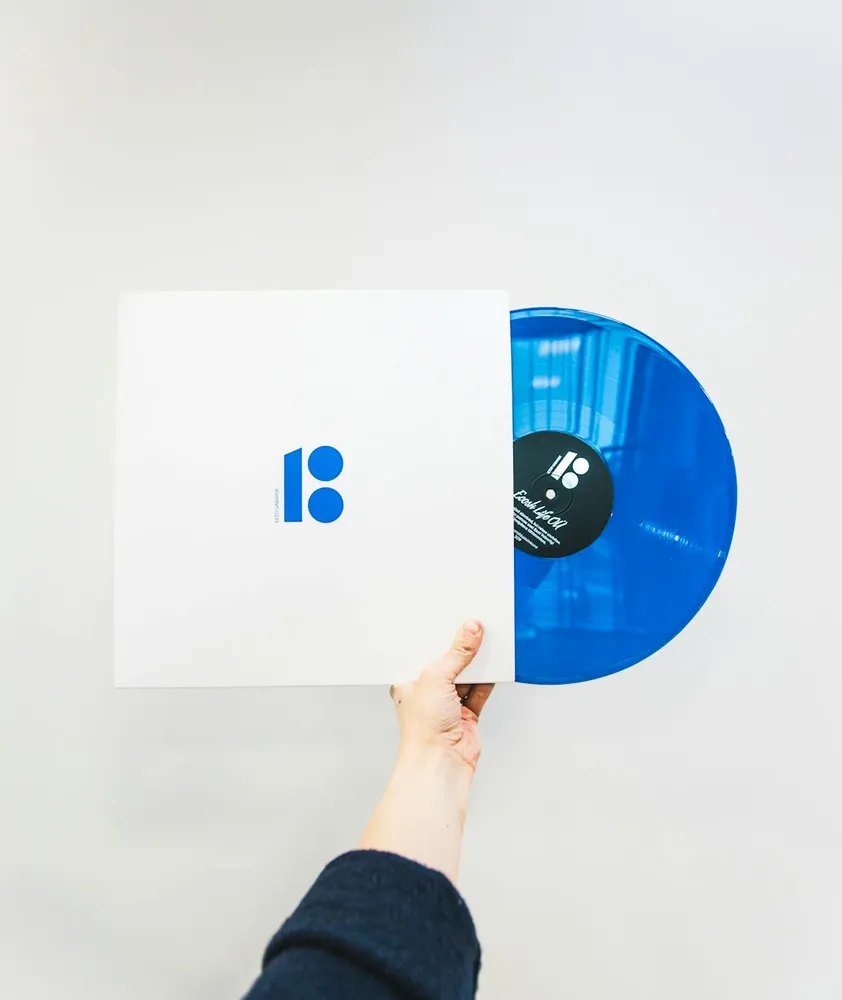
The Resurgence of Vinyl in the Digital Age
In an era dominated by streaming services and digital downloads, a growing number of contemporary artists are revisiting an older form of media: analog vinyl records. This trend may seem paradoxical given the convenience and accessibility of digital formats, yet vinyl is experiencing a renaissance that speaks to its unique qualities both as a medium for music production and as a means for deeper audience engagement.
Why Vinyl? The Aesthetic and Sonic Appeal
Vinyl records offer a tangible connection to music that digital formats simply cannot replicate. The large album covers, liner notes, and the physical act of placing a needle on a record create an immersive experience. Musically, many artists argue that vinyl provides a warmer, more authentic sound due to its analog nature. These aspects contribute to vinyl's appeal among musicians who seek to deliver an intimate and genuine experience to their listeners.
A Case Study: Jack White
One of the most vocal advocates for vinyl is Jack White, frontman of The White Stripes and founder of Third Man Records. White has been instrumental in the revival of interest in vinyl, even investing in pressing plants to ensure that this medium remains viable. He argues that vinyl encapsulates the soul of music, allowing fans to appreciate the work as it was intended to be heard.
Impact on Music Production
The resurgence of vinyl has influenced music production techniques. Artists are increasingly recording albums with analog equipment to capture the full dynamic range that vinyl can reproduce. This shift requires careful consideration of the recording process, as each step from mic placement to mastering must be tailored to maximize the fidelity of the final product.
Analog vs. Digital Recording
While digital recording offers precision and flexibility with tools like Pro Tools and Ableton Live, analog recording can yield a richer, more textured sound. Bands like Tame Impala have embraced hybrid approaches, using analog synths and tape machines alongside digital tools to create lush soundscapes that translate beautifully onto vinyl.
- Pros of Analog Recording: Warmth and character; dynamic range.
- Cons: More expensive; less room for error; time-consuming.
This approach is not without challenges. Recording in analog demands meticulous attention to detail and often higher costs, but for those dedicated to the craft, the results are worth the effort.
Audience Engagement Through Vinyl
Beyond production, vinyl records foster a unique relationship between artists and audiences. Owning a physical copy of an album creates a sense of belonging and loyalty among fans. Limited edition releases, colored vinyls, and exclusive artwork further enhance this bond.
The Collector's Mindset
For fans, collecting vinyl is more than just acquiring music; it's about owning a piece of art. This collector's mindset drives demand for special editions and live recordings pressed on vinyl, offering artists another avenue for creativity and engagement.
Three Key Approaches to Vinyl Releases
The Traditional Album Pressing
This approach involves pressing standard editions of albums on vinyl alongside digital releases. Artists like Adele have embraced this model, ensuring their music reaches both traditional listeners and audiophiles.
- Pros: Wide accessibility; familiar format for listeners.
- Cons: Large production runs may not capture exclusivity.
The Limited Edition Model
This model capitalizes on scarcity by releasing limited edition or deluxe versions of albums. Radiohead's A Moon Shaped Pool, released as a special edition box set, is a prime example.
- Pros: Creates buzz; appeals to collectors.
- Cons: Higher costs; limited reach.
The Direct-to-Fan Approach
Some artists are choosing to release vinyl directly through crowdfunding platforms like Kickstarter. This method allows them to gauge demand and engage directly with their audience during the production process.
- Pros: Direct engagement; reduced risk.
- Cons: Requires active fanbase; potential production delays.
The Future of Vinyl in Contemporary Music
The continued growth in vinyl sales suggests that this format is more than just a nostalgic novelty. As more artists explore its potential, we may see further innovations in how music is produced and consumed. Whether through rich audio experiences or collectible editions, vinyl provides a distinct platform for musicians seeking to connect with audiences in meaningful ways.
The love affair between contemporary artists and vinyl is not merely about resisting digital trends but rather embracing an art form that celebrates the essence of music. For those involved in the creation and enjoyment of music, vinyl offers a bridge between past traditions and modern artistry—one groove at a time.