
Artistic Choices: How Album Covers Enhance or Detract from Musical Experience
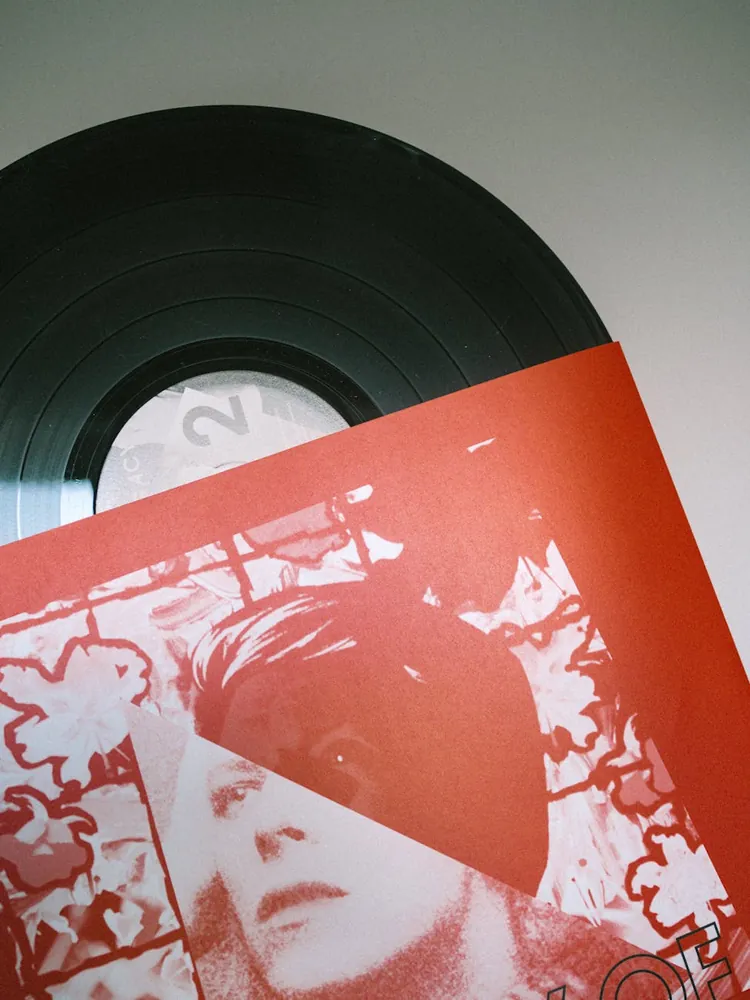
The First Impression: Visual Aesthetics and Emotional Connection
Album covers have long served as a visual gateway to the musical worlds artists create. Whether flipping through vinyl in a record store or browsing digitally, the album cover is often the first interaction a listener has with the music. The visual aesthetics of an album cover can greatly influence a listener's expectations and emotional connection, setting the stage for the musical experience.
Take Billie Eilish's When We All Fall Asleep, Where Do We Go? as an example. The stark, haunting image of Eilish against a dark background instantly communicates the eerie, introspective nature of the album. This intentional artistic choice primes listeners for a journey through her haunting soundscapes and introspective lyrics.
The Art of Storytelling Through Album Covers
In recent releases, storytelling through album covers has become an integral part of the album's narrative. Consider Taylor Swift's folklore, whose sepia-toned cover depicts a lone figure in a vast forest. This imagery perfectly complements the album's themes of solitude and introspection, engaging listeners even before they hear a single note.
A well-designed album cover acts as a prologue, inviting listeners to embark on the auditory journey that awaits. It provides context and enriches the listening experience by offering visual cues that align with lyrical themes or musical styles.
Case Study: Visual Synergy in Recent Releases
- Lana Del Rey's Norman Fucking Rockwell!: The cover features Del Rey with musician Jack Antonoff on a boat against a backdrop reminiscent of classic Americana. This imagery echoes the nostalgic yet critical exploration of American culture present in the music.
- Kendrick Lamar's DAMN.: The minimalist, bold red cover with Lamar's contemplative gaze and the aggressive typography reflects the raw, unapologetic nature of his lyrical content.
Design Trends: Minimalism vs. Maximalism
Current trends in album cover design often oscillate between minimalism and maximalism, each carrying its own set of implications for how music is perceived.
Minimalism
Minimalist covers, like those of Lorde's Melodrama, use simplicity to evoke curiosity and focus on the music itself. The sparse design directs attention to the sound and themes without overwhelming visual stimuli.
Maximalism
Conversely, maximalist designs like Travis Scott's ASTROWORLD offer vibrant, detailed artwork that mirrors the chaotic energy and eclecticism within the music. This approach can serve as a feast for the senses, providing layers for listeners to unpack visually as they explore the audio complexities.
When Album Art Misfires
While many album covers enhance musical experiences, there are instances where they may detract from them. A misaligned cover might lead to misinterpretations or failed expectations.
An example is Weezer’s Raditude, where the playful cover art depicting a dog jumping in mid-air clashed with the band's typical style, leading to mixed receptions from fans expecting something different based on visual cues.
Practical Tips for Artists: Crafting the Perfect Cover
For musicians looking to create their album covers, understanding these dynamics is crucial. Here are practical steps to ensure your visual representation resonates:
- Understand Your Music: Analyze your songs' themes and messages. Your cover should encapsulate this essence visually.
- Consider Your Audience: Think about how your target audience will perceive your artwork. Aim for designs that connect emotionally or intellectually.
- Collaborate with Visual Artists: Engage professionals who can translate auditory concepts into visual art effectively.
- Iterate on Feedback: Use focus groups or fan feedback to refine your designs before finalizing them.
A Mini-Framework for Creating Impactful Album Covers
This framework can help musicians and designers create compelling album covers that enhance the musical experience:
- Define Themes: Identify core themes of your music to guide your visual storytelling.
- Create Mood Boards: Assemble images, textures, and colors that represent your musical vision.
- Select Key Elements: Choose symbols or elements that best express your themes in a visually arresting way.
- Design Iteratively: Produce several drafts and evaluate them against your music’s mood and message.
- User Testing: Share prototypes with select listeners to gather insights on their emotional responses.
The synergy between music and visuals is vital in contemporary music consumption. By thoughtfully crafting album covers, artists can not only attract listeners but also deepen their engagement with the music itself, creating an immersive experience that transcends sound alone.